

Herein, I will grace you with brevity, which loyal readers know is not my specialty.
Like every piece in my “how to” series, this one, also, was born because someone asked. In this case, a colleague preparing for a 12-hour flight to a conference in Singapore.
The “How To” Series


My credentials: as a dual national, I have taken at least one 9+ hour flight every year since childhood. What has changed as I have gotten older is not the distance (if anything, the flights keep getting longer). Rather, it is the precision of my preparation…
According to me, for a comfortable long haul flight you need:
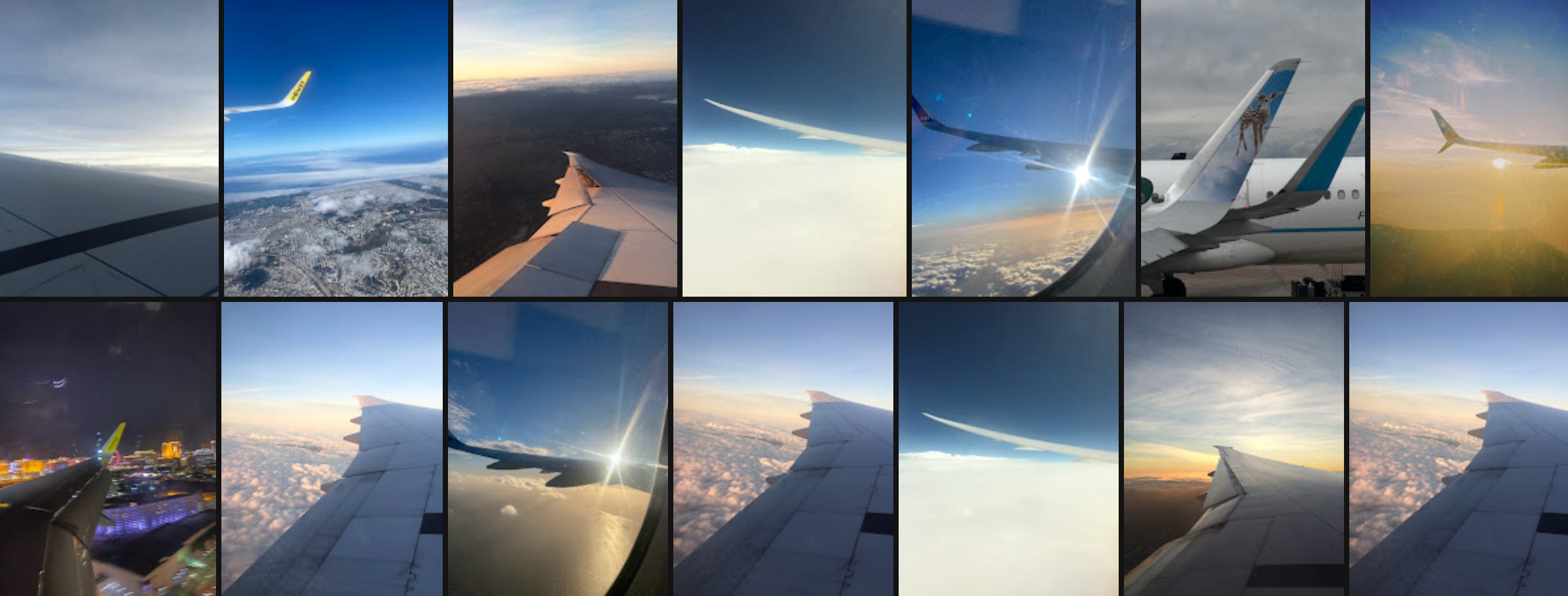
A window seat.
Enough said.
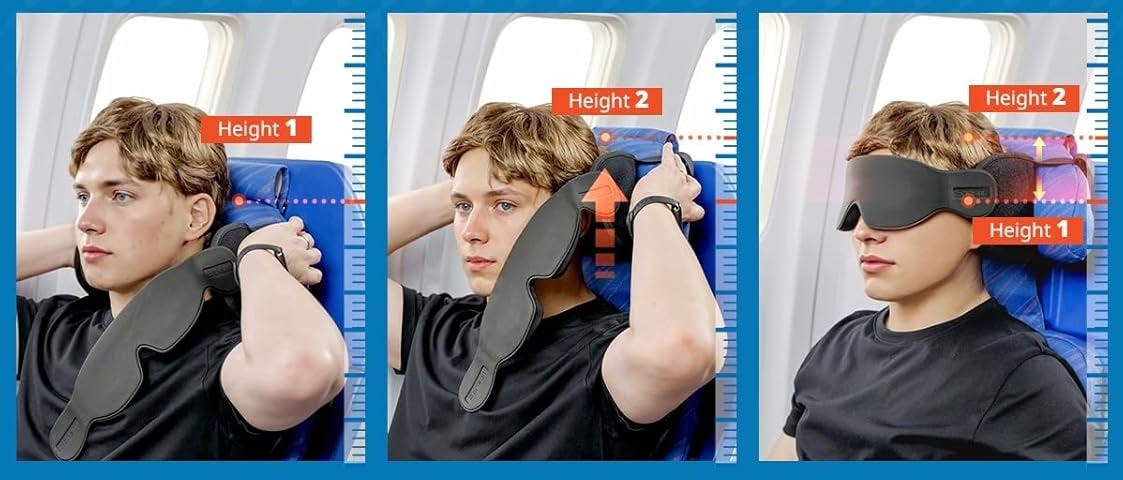
Especially important if you are tall like me, I am 5’9. I have tried the blow-up things that go on the tray table. I am too tall. The neck pillows do not work because my neck is too long. This is the only way I have found to actually get comfortable.
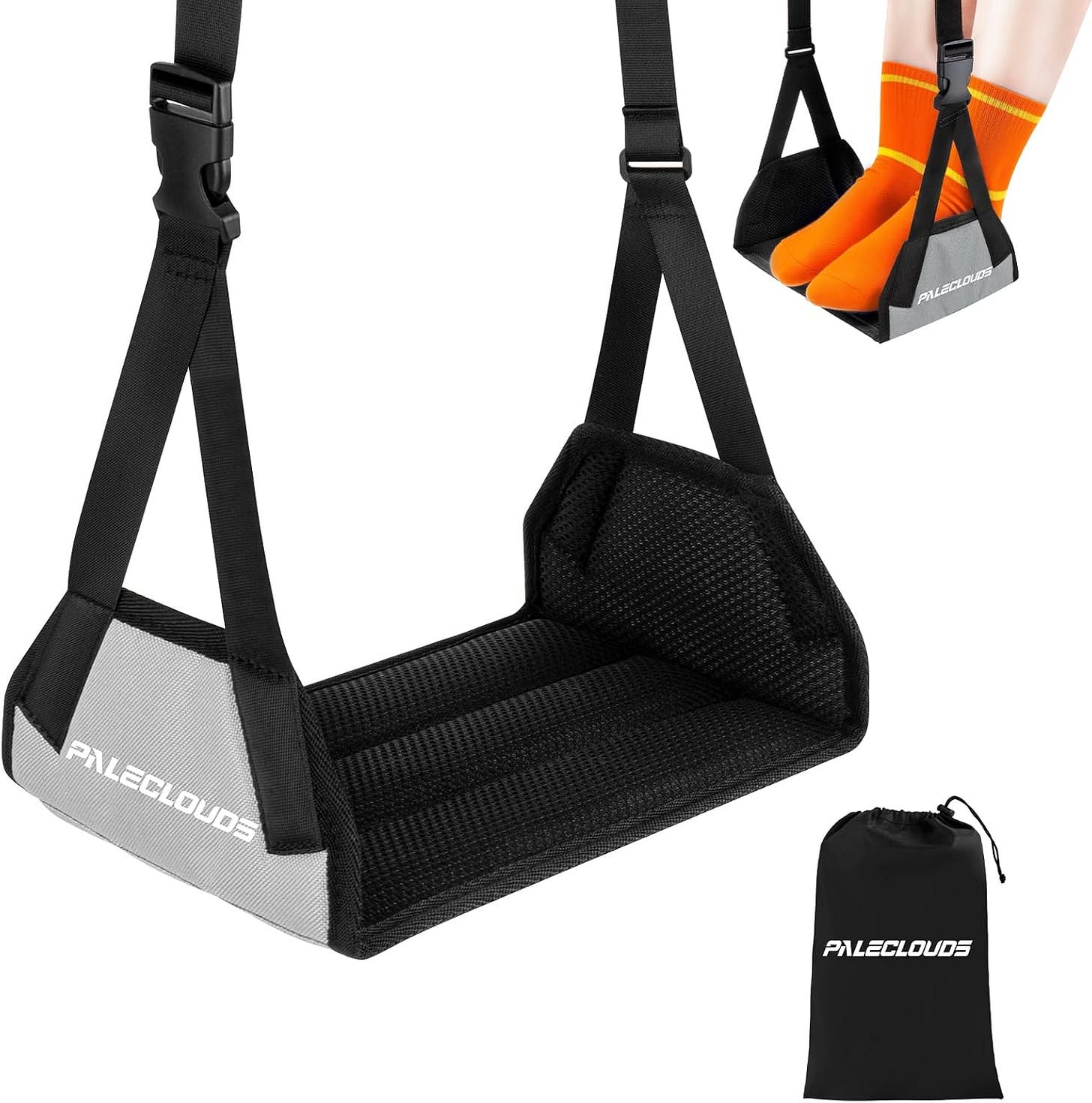
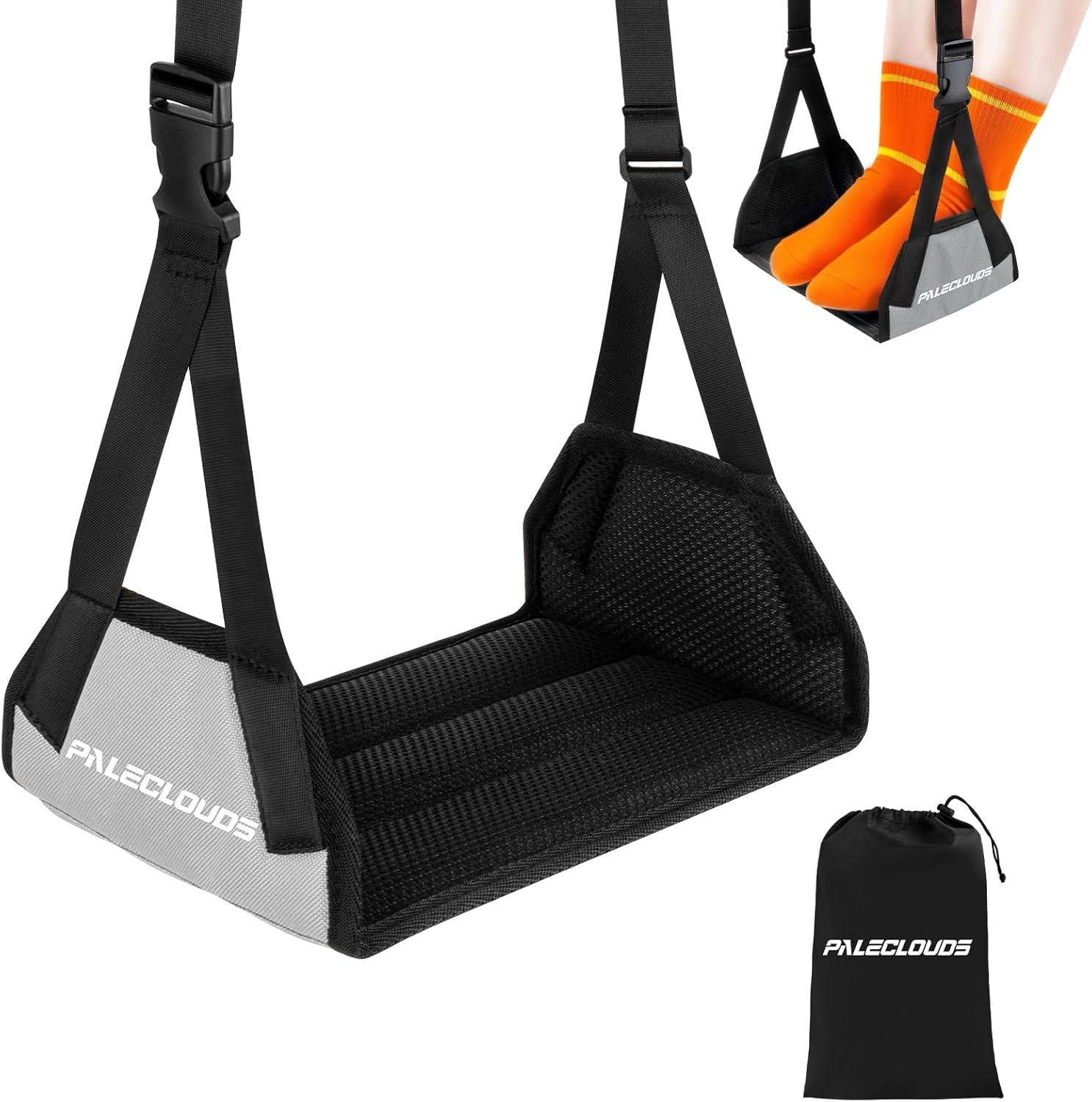
A small foot hammock that loops over the tray table.
Critical that the support runs width-wise so your feet do not collapse inward. It sounds superfluous. It is not. It keeps your legs moving, helps circulation, and I arrive more rested. It also lets me relax without bracing my core.
Ibuprofen.
Ever since I flew to Melbourne with a layover in Sydney and sat in a middle seat and had pain all over my body, I’ve never traveled without it.
Whatever sleep support is appropriate for you.
Melatonin, antihistamines, or prescribed. And if you’re ever in Germany, I cannot recommend more these German OTC sleeping aids (also antihistamines)

A refillable water bottle and electrolytes.
I pour the tiny cups the flight attendant gives me into it and try my best to stay hydrated because flying is extremely dehydrating. Avoid alcohol. And consider avoiding coffee/tea b/c of cleanliness concerns of potable water tanks on board.
Two fully charged battery packs, plus all necessary cables.
You do not know if your seat will have working chargers. So you need two. One to recharge your headphones during the flight and one for your phone. I bring Lightning for my AirPods and USB-C for my phone.
Two pairs of noise-canceling headphones.
It sounds excessive. Somehow, I have ended up with multiple pairs of AirPods and I have never been sad that when one dies, I can switch to a fully charged pair and continue sleeping.
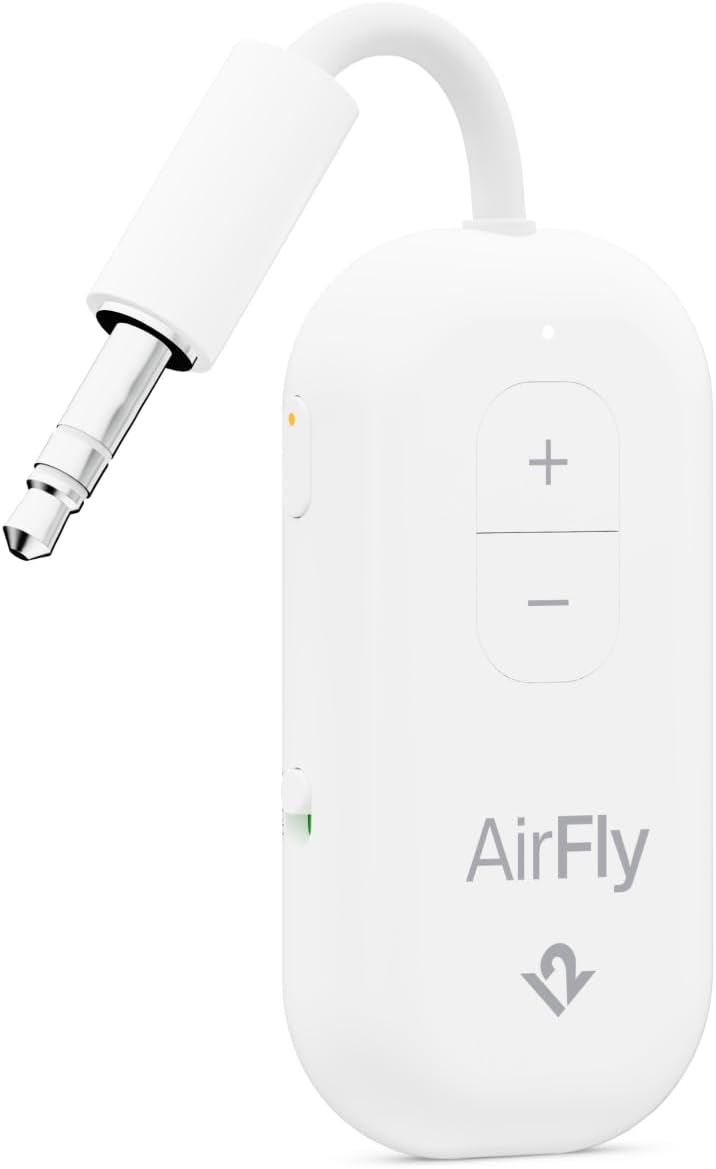
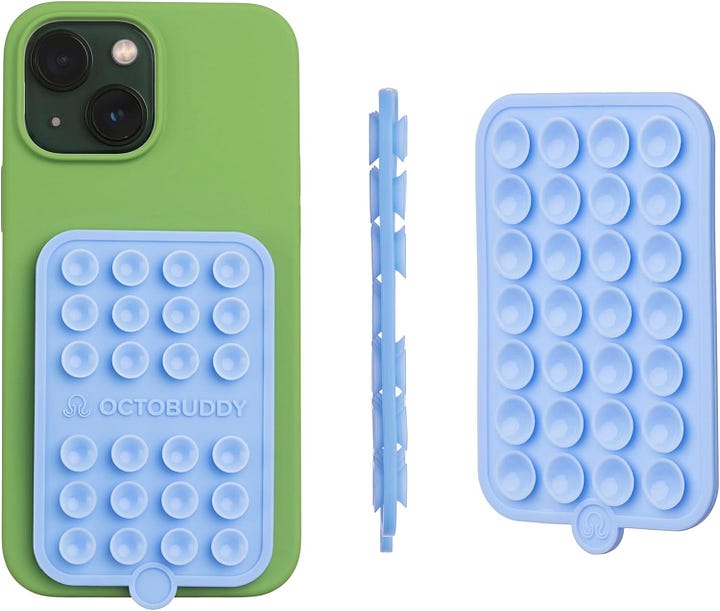
A Bluetooth adapter for the seatback screen, or an Octobuddy.
So you can connect your own headphones OR attach your phone to the seat’s screen and watch your own programming.
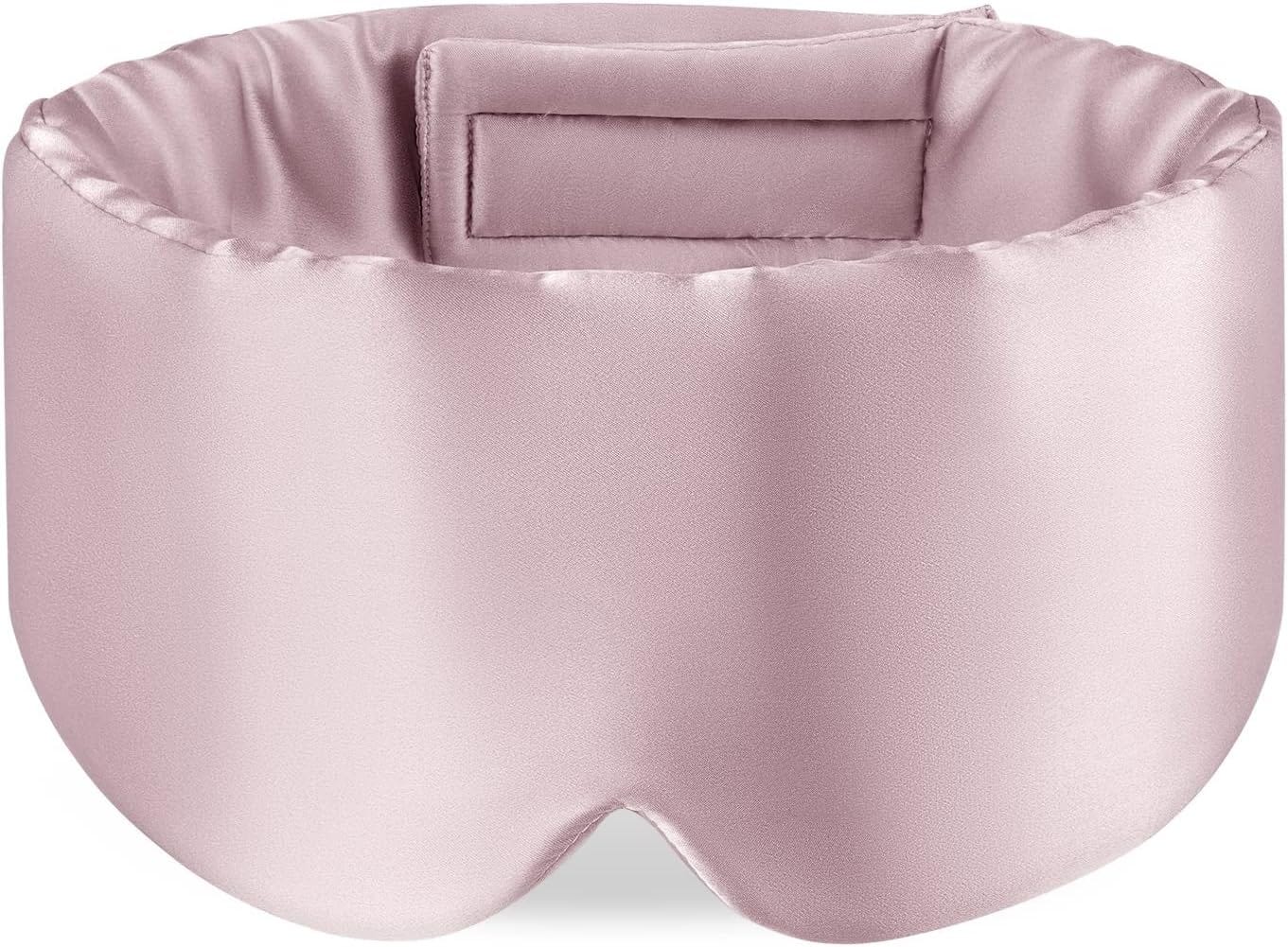
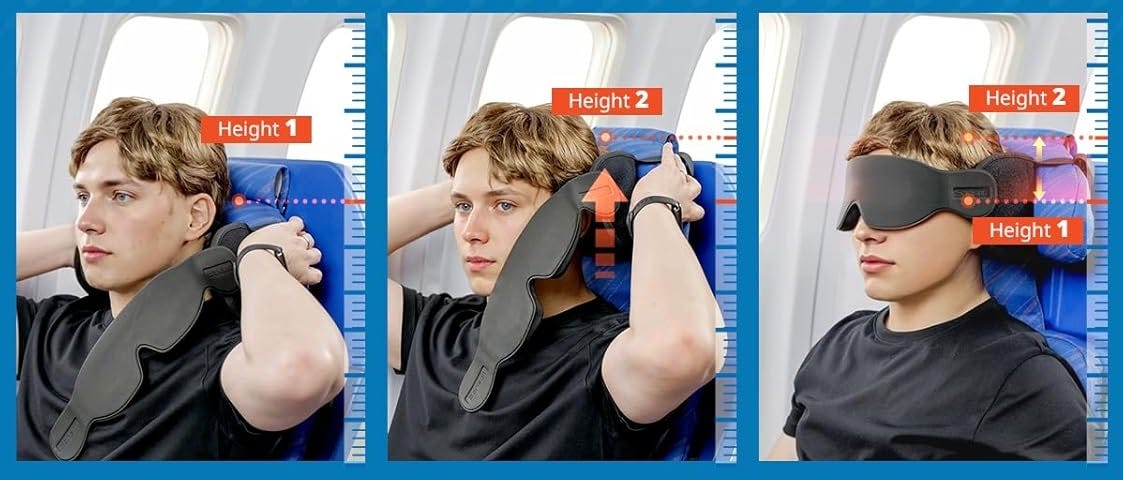
I use the same one I sleep with at home but have a dedicated on that only goes on the plane.
Compression socks AND grippy socks
Compression socks are not optional on long haul, you will arrive more rested and lower the risk of clot formation (not to scare you, but yeah, honestly something to avoid). Cabin pressure and prolonged sitting slow venous return, which means fluid pools in your lower legs.
Pilates-style grips let you put your feet up on the seat without sliding. Some people wrap the seatbelt around their feet, but I find that it digs in to my shins and does not work for me.
K-95 Mask
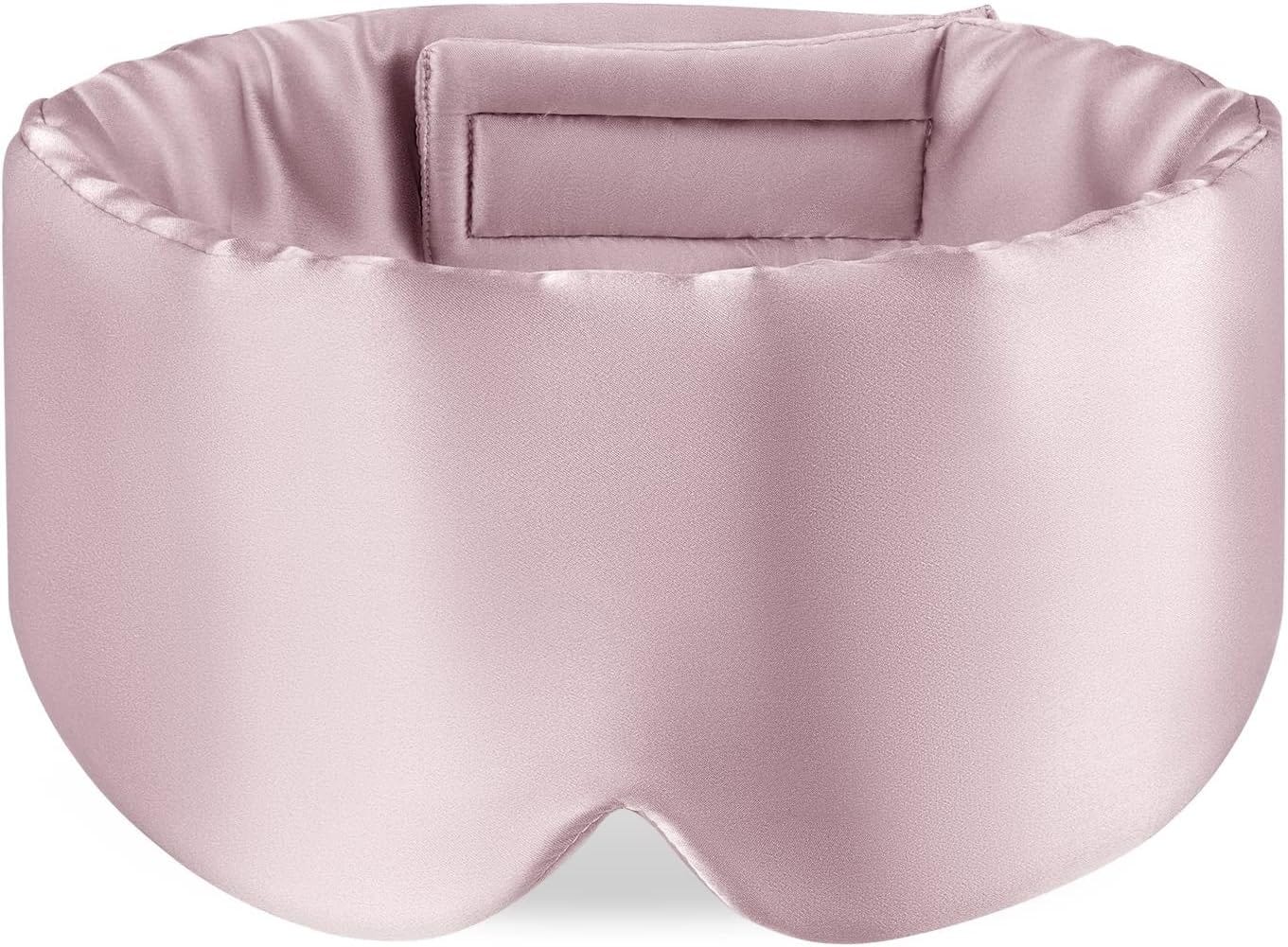
If the person next to you is coughing. If you are going somewhere important. It also creates privacy. Mask plus eye mask equals cocoon.
Scarf
Add a thin or thick scarf (depending on the season) to create a small tent around yourself, or a blanket, or a scarf.
Lip balm, face mist, and sunscreen.
You are sitting at a window. UV exposure at cruising altitude is real. Reapply sunscreen AND keep the shade down. Try not to constantly touch your face. A hydrating mist and lip balm are non-negotiable. Want to find a good sunscreen, check out my other how-to :



With that, may you arrive rested and hydrated. Happy travels!